
Boat Loans Australia :: Articles

5 top tips when buying a used car in Australia

What are the top tips for buying a used car in Australia?

5 top tips when buying a used car in Australia

The information on this website is general in nature and does not take into account your objectives, financial situation, or needs. Consider seeking personal advice from a licensed adviser before acting on any information.

Buying the right second-hand car can be a bit of a minefield – from finding a model that fits your needs and budget - to negotiating the best deal with the seller, but with a few tips and tricks, it can be made a lot easier and less stressful.

Here are 5 tips to buying a second hand car in Australia

1. Do your research

Before you start looking at used cars, it's important to do your research and figure out what kind of car you want to own.

You should also have a budget in mind so that you don't overspend.

If you plan on borrow money to finance your purchase, you should start with a car loan repayment calculator to work out how the loan repayments would be for various loan amounts over different repayment periods.

There's also a great deal of merit in getting a loan pre-approval before shopping for a car. A pre-approved car loan means that you have a much better idea of how much you can afford to spend, and it will put you in a stronger negotiating position with the seller. 

Once you know what kind of car you're looking for, you can start searching for dealerships or private sellers.

2. Get the vehicle history

If you're buying from a dealership, they should provide you with the vehicle log book and vehicle history report if they are available. If not, you can request this from the seller. This information will tell you more about the car, including the diligence of the previous owner in vehicle care and maintenance.

It is also important to find out whether the car has had any major repaired damage or has been submerged in floodwaters. 

Knowing this information will help you make an informed decision about whether or not to buy the car.

3. Take it for a test drive

Once you've found a few potential cars, it's time to take them for a test drive! This is the best way to see how each car feels and if it suits your needs.

Pay attention to how the car handles and if there are any strange noises coming from it.

Also pay close attention to the car's tires during the test drive. Wear and tear on tires can be indicative of other problems with the vehicle, so it's best to err on the side of caution if they don't look 100%.

If everything looks and feels good, then take note of which car YOU like the best!

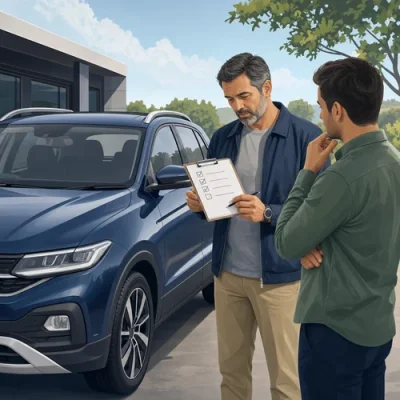
4. Have an inspection done by a professional mechanic

Even if the seller tells you that the car is in good condition, it's always best to get an inspection done by a professional mechanic before making your final decision. Auto Associations in each State, such as NRMA, RACV, RACQ, etc, provide vehicle inspections at a very good price to members.

They will be able to spot any issues that may not be apparent to the naked eye and let YOU know if it's worth purchasing or not.

Before buying a car privately, check that the person selling it is the registered owner. Check that the certificate of registration and safety check report for the vehicle are up to date (the last issued no more than 1 month ago). The details on all documents should match those of the vehicle.

5 negotiating with the seller

When negotiating with the seller, always keep your budget in mind so that you don't overspend on the car itself or on repairs that need to be made after purchase.

And take your time! This is a significant purchase, so don't feel pressured into buying a car that you're not completely sure about - you'll likely regret it later down the road.

When purchasing a used car privately, on the Internet, or by bidding at an auction, make sure that the seller is legally entitled to sell it. If the car was stolen, or if it is being financed through a loan and registered under someone else's name, then that person may not be able to sell it.

Before buying a used car privately, the buyer should check the vehicle security register to confirm ownership and learn if the car is being used as collateral.

Ownership checks are carried out by supplying the vehicle registration number, engine number and chassis number.

To find out if a vehicle is held as security for a loan, you can check the Personal Property Securities Register.

Finally, in order for you to transfer ownership of the vehicle, the seller will need to inform the state road authority and you will need to accept this transfer. This can usually be done online via your state motor authority.

By following these tips, you'll be well on your way to finding the perfect used car for you!

Published: Friday, 20th May 2022
Author: Paige Estritori

Rate this article

0 Comments

No comments yet. Be the first to share your thoughts.


Boat Loans Articles

Loan Lingo: Simplifying the Language of Marine Finance for Boat Owners
Embarking on a new boating adventure can be thrilling, yet the complexities of marine finance can feel daunting. For Australian consumers, understanding the intricacies of marine finance is crucial to ensuring a smooth journey to boat ownership. - read more
5 Steps to Ensure Fast Boat Loan Approval
Welcome to our quick guide on securing fast boat loan approval. Whether you're a seasoned boat enthusiast or a first-time buyer looking to explore the waters, this article is designed for you. - read more
What Australian Boat Buyers Need to Know About Financing Rates
When considering purchasing a boat, one of the most critical factors to take into account is the financing rate. Understanding how interest rates work can make a significant difference in the total cost of the boat over the lifespan of the loan. Knowing the ins and outs of boat loan interest rates can save you from unexpected expenses and financial stress down the line. - read more
How the Boat Loan Application Process Works in Australia
Applying for boat finance in Australia usually involves more than completing an online form. From the first enquiry through to pre-approval, lender assessment, boat checks, formal approval, loan documents, settlement and repayment setup, each stage has a purpose. Understanding the process can help Australian boat buyers prepare clearer documents, ask better questions and avoid preventable delays. - read more
How to Navigate Your Boat Loan Options with a Varied Credit History
Australia's crystal-clear waters and expansive coastlines make it a haven for maritime enthusiasts. Boating is not just a leisure activity but a way of life for many Australians, with vessels ranging from modest dinghies to luxurious yachts gracing the shorelines. The boating lifestyle in Australia speaks to a culture of adventure, relaxation, and a love for the great outdoors. - read more
How to Avoid Capsizing Your Budget When Comparing Boat Loans
The excitement of buying a boat and the role of right financing: The dream of sailing on the open seas or cruising through tranquil waterways can be incredibly enticing. The prospect of owning a boat opens up a world of adventure, relaxation, and luxury. However, much like navigating through uncharted waters, purchasing a vessel requires sound financial planning. Choosing the right boat loan is crucial in making this dream a reality without causing a financial shipwreck. - read more

Finance News

Electric Boating Shift Gives Buyers More to Budget For
09 Sep 2026: Paige Estritori
Electric and hybrid marine technology is continuing to move from specialist trade discussion into the practical buying conversation for Australian boaters. Recent marine industry coverage has pointed to growing attention on cleaner propulsion, quieter operation and smarter onboard systems, not only in commercial vessels but also across the recreational boating market. For households thinking about their next boat, the key question is less about whether the technology is exciting and more about whether the full ownership equation makes sense. - read more
Why Spring Boat Demand Should Start With a Finance Check
02 Sep 2026: Paige Estritori
Australia’s spring boating season is beginning to sharpen buyer attention again, with recent marine industry coverage pointing to renewed activity around dealers, shows and seasonal product launches. For many households, this is the time of year when a long-considered boat purchase starts to feel more immediate: the weather improves, waterways get busier and families begin planning summer weekends. - read more
What Melbourne Boat Show Activity Means for Victorian Buyers
26 Aug 2026: Paige Estritori
Melbourne’s boating calendar is giving Victorian buyers another useful reason to move from dreaming to planning, with fresh industry attention on the Melbourne Boat Show and its role as a springboard for the recreational marine market. For buyers, the value of a show is not simply the chance to see polished new releases in one place. - read more
What Sydney Boat Show Momentum Means for Boat Buyers
19 Aug 2026: Paige Estritori
The 2026 Sydney Boat Show has given Australia’s recreational marine market another useful temperature check. After the event’s return to Sydney Showground at Sydney Olympic Park, industry attention has shifted from the display halls to what the buyer activity may mean for boat sales, dealer pipelines and household finance decisions over the months ahead. - read more
Why the Latest Rate Watch Still Matters for Boat Buyers
12 Aug 2026: Paige Estritori
Australian borrowers are again watching the interest-rate outlook closely, with the latest business coverage pointing to a familiar mix of inflation, employment and consumer-spending signals shaping expectations for lenders and households. For boat buyers, this is more than an economic headline. It can influence how lenders price risk, how confident households feel about discretionary purchases, and how carefully buyers need to structure marine finance before committing. - read more
Why the Rate Cycle Matters for Your Next Boat Purchase
04 Aug 2026: Paige Estritori
Australian borrowers are again watching the interest-rate cycle closely, with recent business coverage pointing to a more cautious but less anxious tone around future monetary policy. For boat buyers, the important message is not that finance will suddenly become cheap, but that the market may be moving into a phase where planning and timing matter even more. - read more

Start Here

START HERE.

Loan Amount:

Postcode:

All quotes are provided obligation-free by a participating broker from our national referral partner network. We respect your Privacy.


Quotes are offered free & without obligation. We respect your privacy.

Knowledgebase
Collateral:
An asset that a borrower offers as a way for a lender to secure the loan.


Quick Links: | Boat Loans Australia | Marine Finance | Boat Financing Options | Boat Loan Rates | Boat Loan Calculator | Secured Boat Loans | Unsecured Boat Loans | Boat Loan Repayment Terms | Boat Loan Eligibility | Boat Loan Application Process | Boat Loan Interest Rates