The information on this website is general in nature and does not take into account your objectives, financial situation, or needs. Consider seeking personal advice from a licensed adviser before acting on any information.
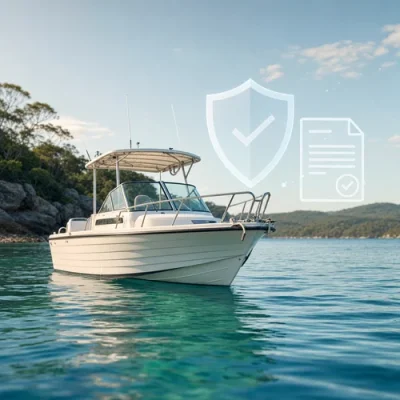
Welcome aboard, fellow Aussie boat enthusiasts! Whether you’re a seasoned sailor or new to the boating scene, understanding boat insurance can sometimes feel like deciphering a map without a compass. Myths and misconceptions often cloud the waters, preventing boat owners from making informed decisions.
This article is here to steer you clear of those misleading myths. Why is this important, you ask? Well, knowing the truth about boat insurance can save you from unnecessary costs and ensure that your pride and joy is well protected.
Throughout this article, we’ll be debunking five boat insurance myths that often mislead Australian boat owners. By clearing up these misunderstandings, you’ll be equipped with the knowledge needed to sail smoothly and securely. Let’s set the record straight!
Myth 1: Boat Insurance Isn't Necessary for Experienced Sailors
One of the most common myths floating around is that seasoned sailors, who've been navigating the waters for years, don't really need boat insurance. This myth probably stems from the confidence experienced sailors have in their skills and knowledge, believing that they can handle any situation that arises at sea.
However, unexpected events don’t discriminate based on experience. Take, for instance, the seasoned sailor who faced catastrophic storm damage despite careful planning and navigation. Or the experienced boater who encountered a costly mechanical failure offshore. These real-life scenarios highlight how having insurance can be a lifesaver, covering unexpected expenses that even the most adept sailors can't foresee.
Ultimately, having boat insurance isn't about doubting your abilities; it's about safeguarding your valued investment. No matter how skilled you are, factors like weather, mechanical breakdowns, and accidents can be unpredictable. Thus, insuring your boat ensures peace of mind, allowing you to enjoy your time on the water knowing that you're covered, come what may.
Myth 2: All Boat Insurance Policies Are the Same
The idea that all boat insurance policies are essentially identical is another myth that many boat owners might believe. This misconception often arises from the assumption that if policies protect boats, they must all offer similar coverage.
This couldn't be further from the truth. Just like boats come in all shapes and sizes, so do insurance policies. The policy that might be perfect for a small fishing vessel could be vastly different from one suited for a luxury yacht. Factors such as the size of the boat, how it's used, and where it's stored can significantly influence the type of coverage that's appropriate.
It's crucial to recognise the diversity available in boat insurance policies. Some are tailored for specific needs, offering unique coverage such as towing assistance, liability protection, or coverage for personal belongings on board. Others might focus on different risks, like storm damage or theft.
Given this variety, it pays to do your research. Shopping around and comparing policies ensures that you get coverage tailored to your individual needs and circumstances. Not only can this save you money by avoiding unnecessary coverage, but it also ensures you're adequately protected. After all, a well-suited insurance policy is as essential to a boat's wellbeing as a sturdy anchor is to its stability.
Myth 3: My Home Insurance Covers My Boat
A common misconception among boat owners is that their home insurance policy automatically covers their boat. On the surface, it might seem logical - both the house and the boat are valuable assets, and bundling them under one policy sounds convenient and cost-effective.
However, this myth can lead to significant gaps in coverage that may leave you exposed. Most home insurance policies do not cover boats, or if they do, it is often with strict limitations and exclusions. Coverage under a home insurance policy is usually restricted to very small boats, like canoes or small sailboats, and even then, the coverage may be minimal, not extending to more extensive damages or liability issues.
Larger boats, personal watercraft, or more complex coverage needs, such as liability for injury or damage to other boats, generally fall outside the purview of standard home insurance policies. This leaves many boat owners with an unintended risk exposure if they rely solely on their home insurance.
The best course of action is to consult with your insurance provider to specifically understand what your home insurance covers concerning your boat. More importantly, ask about tailored boat insurance policies that can offer the protection your vessel requires. This clarity will help ensure your boat is adequately insured, granting you peace of mind when you're out on the water.
Myth 4: Boat Insurance Is Too Expensive
Many boat owners shy away from purchasing boat insurance because of the belief that it's prohibitively expensive. This perception might stem from the idea that, since boats are often significant investments, the insurance must cost a fortune. However, this myth doesn't take into account the competitive landscape of the insurance market, nor the financial protection that insurance provides in the long run.
Boat insurance can indeed vary in cost, but there are several factors to consider. The type of boat, its age, and where and how it's used can all influence the premium. Yet, by shopping around and comparing policies, boat owners can often find affordable options that fit their budget. Many insurers offer customisable policies, allowing you to tailor coverage to your specific needs and potentially lower your premium.
Additionally, consider measures such as bundling your boat insurance with other policies, maintaining a good driving record, or taking a boating safety course, as these can lead to discounts on your premium. Some insurers even provide incentives for installing safety equipment on your boat.
Ultimately, while upfront costs might seem daunting, the long-term protection offered by boat insurance is invaluable. Should you face a situation involving damage, theft, or liability, having insurance can save you significant out-of-pocket expenses. It also grants peace of mind, knowing that you are protected against unforeseen circumstances that might otherwise strain your finances.
Myth 5: I'm Covered for All Situations Once I Have Insurance
There's a prevalent belief among boaters that once they've secured an insurance policy, they are fully protected against all potential maritime mishaps. This myth can give boat owners a false sense of security, leading them to assume they are covered for any and every situation they might encounter on the water.
In reality, boat insurance policies, like any other insurance, come with specific exclusions and limitations that can leave gaps in coverage if not thoroughly understood. Common exclusions might include damage from wear and tear, faulty repairs, or certain acts of nature beyond the scope of your policy's coverage. Policies frequently have specific limitations concerning liability, theft, and geographic restrictions that should be clearly recognised.
Understanding these limitations is crucial. For instance, while your policy may cover theft, it might exclude coverage if the boat is not properly secured. Similarly, some policies might not protect against damage incurred during racing events or other high-risk activities unless explicitly included.
Therefore, boat owners should make it a priority to read their policy documents carefully. Ask your insurance provider detailed questions about what is included and excluded from your coverage. Doing so can prevent unpleasant surprises and ensure you're just as prepared and secure as you believe to be.
Conclusion: Making Informed Decisions About Boat Insurance
With these insights in mind, it's essential for you, as a boat owner, to evaluate your insurance needs thoroughly. Consider the specific requirements of your vessel and personal usage to ensure you're adequately covered.
If you're ready to reassess your current policies or explore new options, don't hesitate to speak with insurance providers who can offer tailored quotes that suit your individual circumstances. Taking these proactive steps will provide peace of mind, ensuring that your time on the water is both enjoyable and secure.
Published: Saturday, 14th Mar 2026
Author: Paige Estritori



I honestly assumed my home insurance covered the tinny in the shed, so I’ll be checking the exclusions before summer.